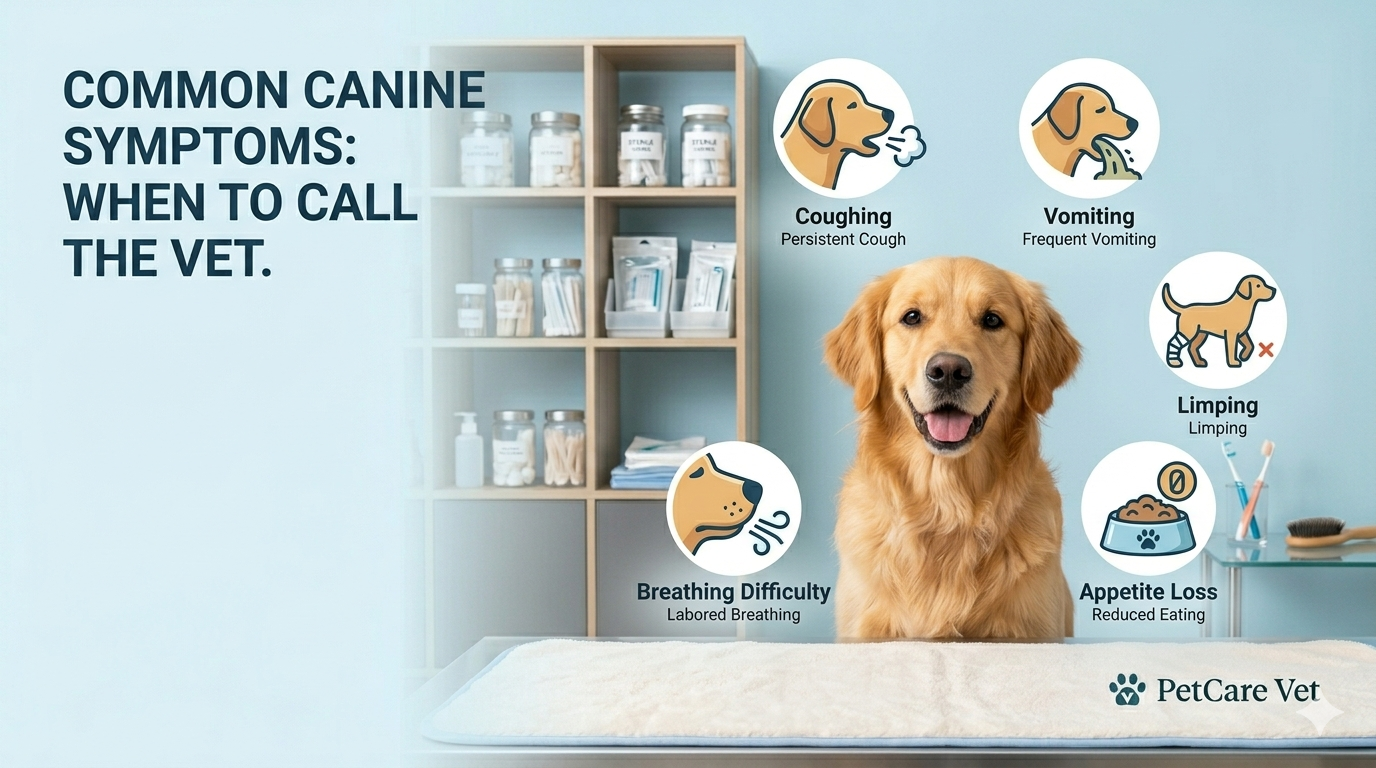
10 Signs Your Dog Might Be Sick (And When to See a Vet)

10 Signs Your Dog Might Be Sick (And When to See a Vet)
As pet parents, we all want our dogs to live happy, healthy lives. However, dogs cannot tell us when they are feeling unwell. Instead, they communicate through changes in behavior, appetite, energy levels, and physical appearance. Recognizing these warning signs early can help prevent minor health issues from becoming serious medical conditions.
In this guide, we'll explore the 10 most common signs that your dog might be sick, what they could mean, and when it's time to seek professional veterinary care.
Why Early Detection Matters
Many canine illnesses start with subtle symptoms that owners often overlook. A small change in appetite, unusual tiredness, or mild vomiting may seem harmless at first, but these signs can indicate underlying health problems.
Early detection can:
- Improve treatment success
- Reduce veterinary costs
- Prevent complications
- Help your dog recover faster
- Potentially save your pet's life
That's why every dog owner should understand the common warning signs of illness.
1. Loss of Appetite
One of the earliest signs that something may be wrong is a sudden decrease in appetite.
While dogs occasionally skip a meal, refusing food for more than 24 hours should not be ignored.
Possible Causes
- Dental problems
- Stomach upset
- Infections
- Liver disease
- Kidney disease
- Stress or anxiety
- Pain or discomfort
When to See a Vet
Contact your veterinarian if your dog refuses food for more than a day or shows additional symptoms such as vomiting, lethargy, or weight loss.
2. Vomiting
Occasional vomiting may occur after eating too quickly or consuming something unusual. However, frequent vomiting is a warning sign.
Possible Causes
- Gastrointestinal infections
- Food poisoning
- Intestinal blockage
- Parasites
- Pancreatitis
- Kidney or liver disease
Emergency Signs
Seek immediate veterinary care if vomiting is accompanied by:
- Blood in vomit
- Severe weakness
- Difficulty breathing
- Continuous vomiting
3. Diarrhea
Diarrhea is one of the most common reasons dogs visit veterinary clinics.
Possible Causes
- Sudden diet changes
- Food intolerance
- Parasites
- Bacterial infections
- Viral diseases
- Stress
When to Be Concerned
Persistent diarrhea lasting more than 24 hours can lead to dehydration and should be evaluated by a veterinarian.
4. Lethargy and Low Energy
Dogs naturally enjoy resting, but excessive tiredness is different.
If your normally active dog becomes unusually inactive, reluctant to play, or sleeps significantly more than usual, it could indicate illness.
Possible Causes
- Fever
- Infections
- Heart disease
- Pain
- Anemia
- Metabolic disorders
Watch For
- Lack of interest in activities
- Difficulty standing
- Reduced exercise tolerance
5. Fever
A dog's normal body temperature ranges between 38°C and 39.2°C (100.5°F–102.5°F).
A higher temperature may indicate infection or inflammation.
Common Symptoms of Fever
- Warm ears
- Shivering
- Loss of appetite
- Low energy
- Red eyes
Possible Causes
- Bacterial infections
- Viral infections
- Tick-borne diseases
- Inflammatory conditions
6. Nasal Discharge
A small amount of clear nasal moisture is normal, but excessive discharge can indicate health problems.
Types of Discharge
Clear Discharge
- Mild irritation
- Allergies
Yellow or Green Discharge
- Infection
Bloody Discharge
- Injury
- Foreign objects
- Serious disease
When to Seek Help
Persistent discharge, especially if combined with coughing or breathing difficulties, requires veterinary attention.
7. Red or Irritated Eyes
Healthy dog eyes should be bright and clear.
Warning Signs
- Redness
- Swelling
- Excessive tearing
- Eye discharge
- Squinting
Possible Causes
- Allergies
- Eye infections
- Corneal injuries
- Glaucoma
- Dry eye syndrome
Eye conditions can worsen quickly, making early treatment important.
8. Breathing Difficulties
Changes in breathing patterns should always be taken seriously.
Symptoms
- Rapid breathing
- Heavy panting
- Wheezing
- Persistent coughing
- Difficulty inhaling
Possible Causes
- Respiratory infections
- Heart disease
- Allergic reactions
- Heatstroke
- Lung disease
Emergency Warning
If your dog struggles to breathe or shows blue or pale gums, seek emergency veterinary care immediately.
9. Unexplained Weight Loss
Gradual or sudden weight loss often signals an underlying medical issue.
Possible Causes
- Diabetes
- Cancer
- Intestinal parasites
- Thyroid disorders
- Kidney disease
Why It Matters
Even if your dog continues eating normally, unexplained weight loss should never be ignored.
10. Unusual Behavior Changes
Dogs often display behavioral changes before physical symptoms appear.
Signs to Watch For
- Increased aggression
- Excessive hiding
- Anxiety
- Restlessness
- Confusion
- Excessive barking
Possible Causes
- Pain
- Neurological disorders
- Cognitive decline
- Stress
- Illness
Trust your instincts—if your dog is acting differently, there is often a reason.
When Should You Contact a Veterinarian?
Seek veterinary care immediately if your dog experiences:
- Difficulty breathing
- Repeated vomiting
- Bloody diarrhea
- Seizures
- Collapse or inability to stand
- Severe pain
- Loss of consciousness
For less severe symptoms, schedule a veterinary consultation if symptoms persist for more than 24–48 hours.
How AlphaCue AI Vet Can Help
Monitoring your dog's health becomes easier when all health information is stored in one place.
With AlphaCue AI Vet, you can:
- Store health records
- Track vaccinations
- Monitor symptoms
- Keep medical history organized
- Access AI-powered pet health guidance
- Manage both dogs and cats from your smartphone
Whether you're tracking vaccination schedules or monitoring unusual symptoms, AlphaCue AI Vet helps pet parents stay informed and prepared.
Download AlphaCue AI Vet today and take a smarter approach to pet healthcare.
Final Thoughts
Your dog depends on you to recognize when something isn't right. By paying attention to changes in appetite, behavior, energy levels, and physical condition, you can identify potential health problems early and seek timely care.
Remember: early detection often leads to better outcomes. When in doubt, consult your veterinarian and never ignore persistent symptoms.
A healthy dog is a happy dog—and a happy dog makes for a happy pet parent.
Protect your pet's health today
Free health records, AI vet advice, and access to real vets — all in one app.
More Articles

Best AI Pet Care Apps in 2026: Which One Should You Choose?

How Often Should You Take Your Pet to the Vet? A Complete Guide