Why Is My Cat Not Eating? 10 Common Causes and What to Do
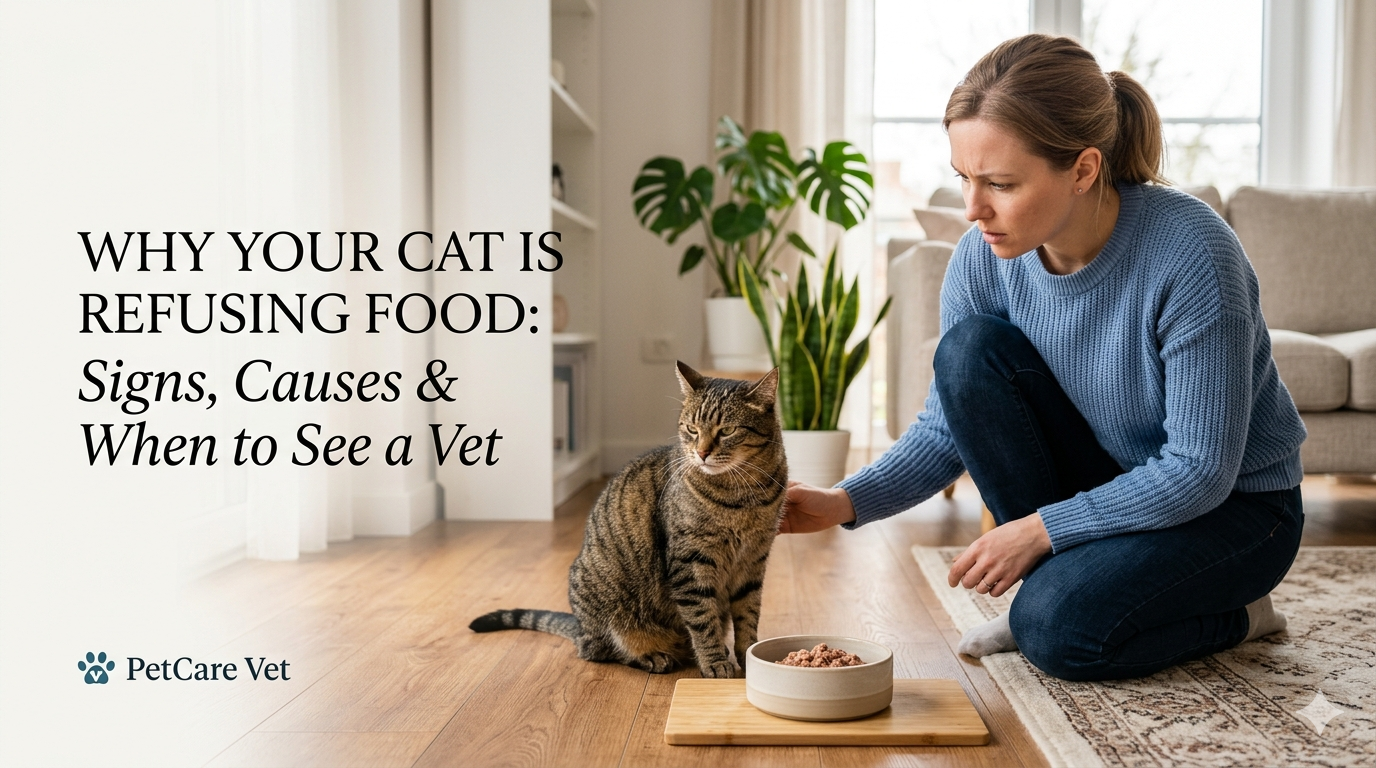
Common Reasons Why Cats Stop Eating
1. Stress or Anxiety
Changes in environment, moving homes, new pets, or loud noises can affect a cat’s appetite.
2. Dental Problems
Broken teeth, gum disease, or mouth infections can make eating painful.
3. Digestive Issues
Stomach upset, hairballs, or gastrointestinal diseases can reduce appetite.
4. Infections
Viral and bacterial infections often cause fever and loss of appetite.
5. Kidney Disease
Older cats frequently suffer from kidney problems that affect eating habits.
6. Liver Disease
Liver disorders may lead to nausea and food refusal.
7. Food Changes
Sudden changes in diet can cause cats to reject food.
8. Pain
Cats experiencing pain may stop eating even if the issue is unrelated to digestion.
9. Medication Side Effects
Some medications can temporarily reduce appetite.
10. Serious Medical Conditions
Cancer and chronic illnesses may also cause appetite loss.
When Should You Visit a Vet?
Seek veterinary care immediately if:
- Your cat hasn’t eaten for more than 24 hours
- Vomiting persists
- Breathing becomes difficult
- Your cat becomes lethargic
How AlphaCue AI Vet Can Help
AlphaCue AI Vet helps cat owners track symptoms, maintain health records, and receive AI-guided pet health assistance before visiting a veterinarian.
Protect your pet's health today
Free health records, AI vet advice, and access to real vets — all in one app.
More Articles

Best AI Pet Care Apps in 2026: Which One Should You Choose?

10 Signs Your Dog Might Be Sick (And When to See a Vet)